Wae Rebo – Hiddem Gem in Indonesia
January 2, 2026
Verona -Where Love Stories
January 2, 2026Exploring China’s Sacred Sites - A Journey into History, Spirituality, and Inner Peace
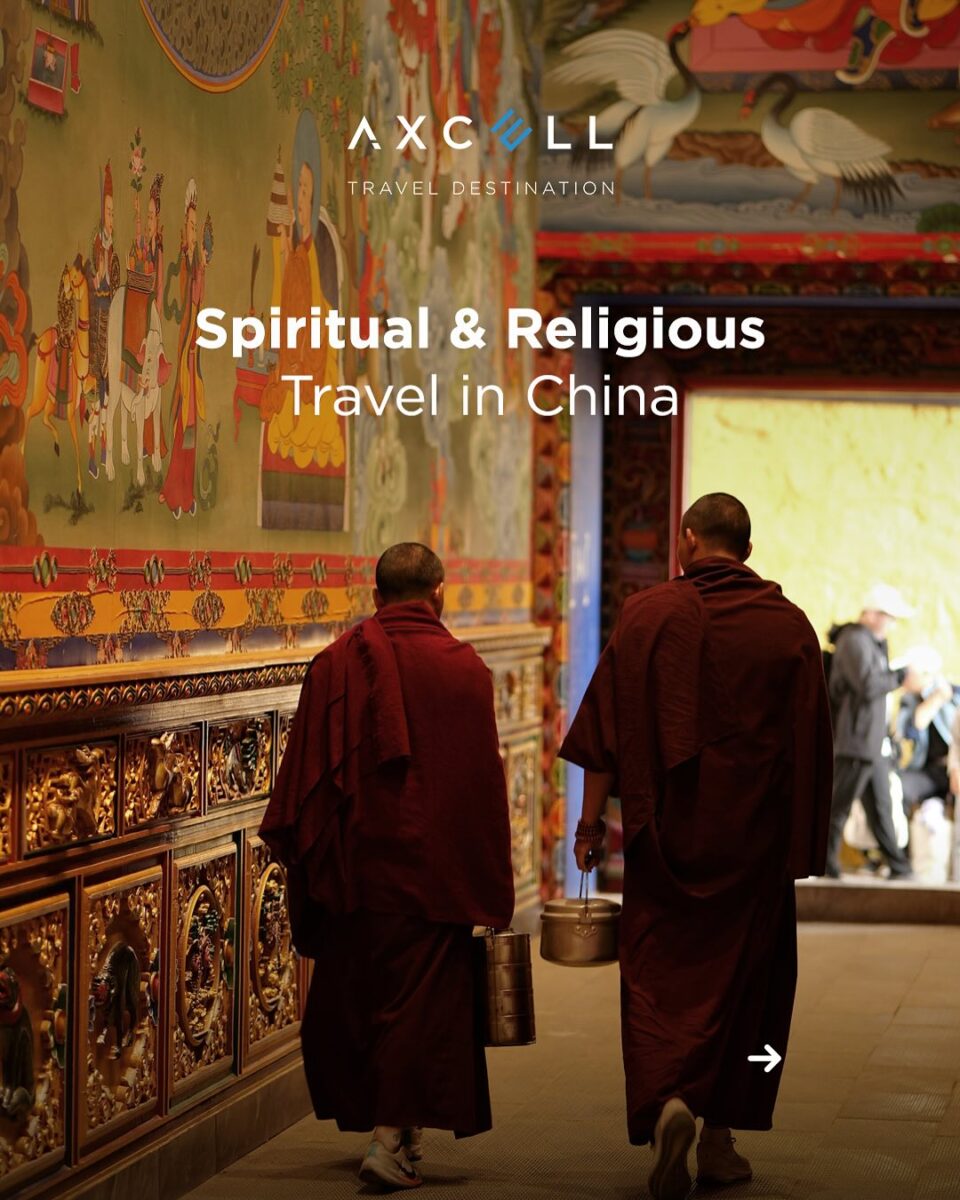
China is home to some of the world’s oldest civilizations, and with that history comes a profound spiritual heritage. Scattered across vast landscapes—from misty mountains to quiet forested valleys—are ancient temples, sacred peaks, and pilgrimage routes that have guided seekers for centuries. These places are not simply historical landmarks. They are living spiritual centers where faith, philosophy, and nature exist in deep harmony.
Whether you are seeking peace, cultural understanding, or a journey that feels meaningful beyond sightseeing, China’s sacred sites offer experiences that are both grounding and transformative. Let’s explore some of the destinations that make spiritual travel in China so powerful—and unforgettable.
Spirituality Woven into the Landscape
In Chinese tradition, spirituality is inseparable from nature. Mountains are not just physical formations; they are bridges between heaven and earth. Temples are not isolated structures; they are integrated into landscapes chosen for balance, energy, and harmony.
This worldview is shaped by Buddhism, Taoism, and Confucianism—philosophies that emphasize balance, self-cultivation, and respect for the natural world. Traveling through China’s sacred sites allows visitors to witness how these ideas are expressed not only in texts, but in architecture, rituals, and daily life.
Here, spirituality is not hidden behind walls. It is lived openly and quietly.
Mount Emei - A Sacred Buddhist Mountain
One of the most revered spiritual destinations in China is Mount Emei. Rising through layers of cloud and forest, Mount Emei has been a center of Buddhist practice for over 2,000 years. Pilgrims ascend its slopes through winding stone paths, passing temples, waterfalls, and ancient trees along the way.
At the summit, golden light often breaks through the mist, revealing breathtaking views that feel almost otherworldly. The journey itself is as meaningful as the destination. Each step becomes a form of meditation, encouraging patience, reflection, and humility.
Mount Emei is not about speed or achievement. It is about presence.
Shaolin Temple - Where Discipline Meets Enlightenment
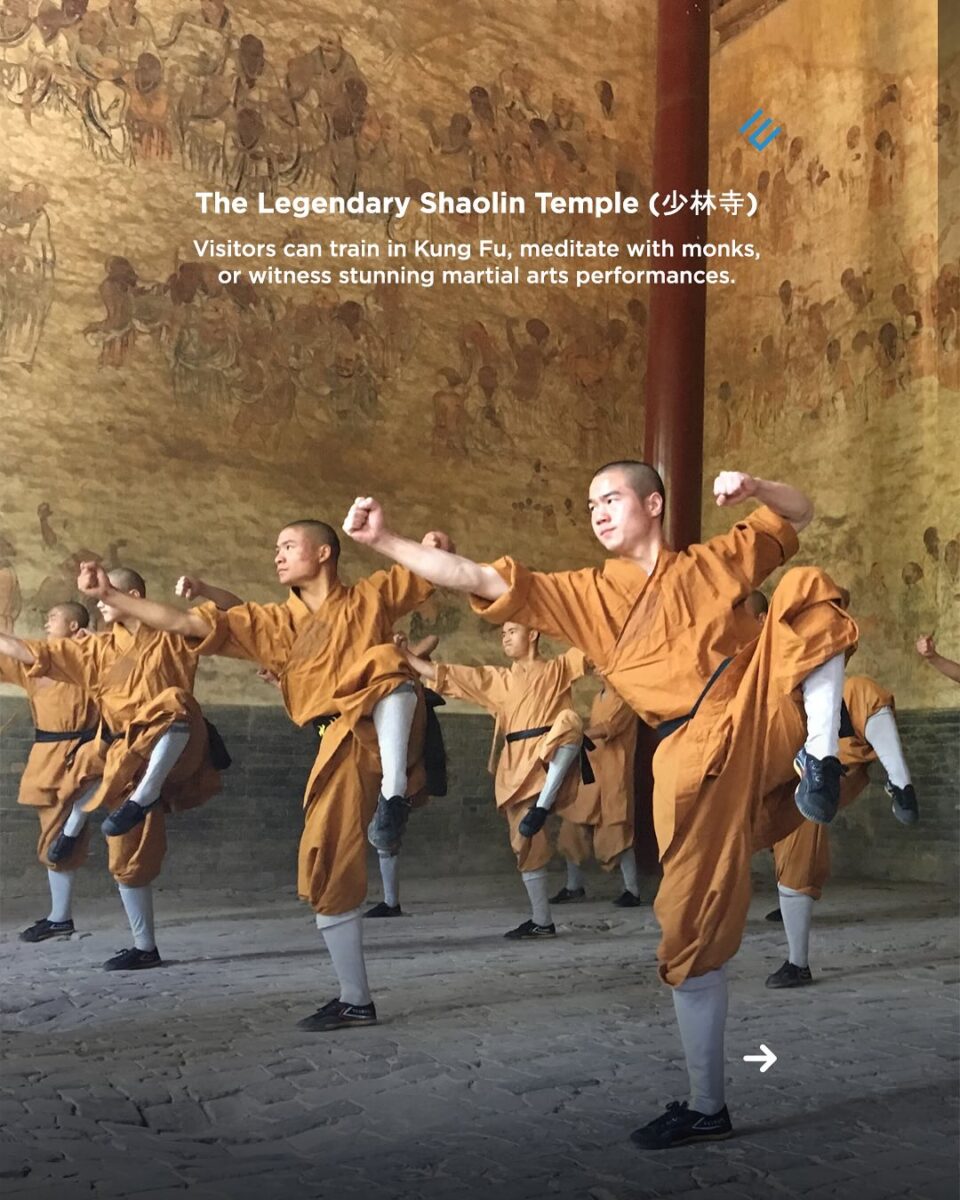
In central China lies Shaolin Temple, one of the most famous temples in the world. Known as the birthplace of Shaolin Kung Fu, this monastery represents a unique blend of physical discipline and spiritual practice.
Shaolin monks believe that cultivating the body and the mind are inseparable. Training, meditation, and daily rituals are all part of a holistic path toward enlightenment. Visiting Shaolin Temple offers insight into how movement itself can become a spiritual practice—focused, intentional, and deeply rooted in self-awareness.
Walking through the temple grounds, surrounded by ancient halls and forested hills, visitors feel the quiet strength of a tradition that has endured for centuries.

Wudang Mountains - The Heart of Taoism
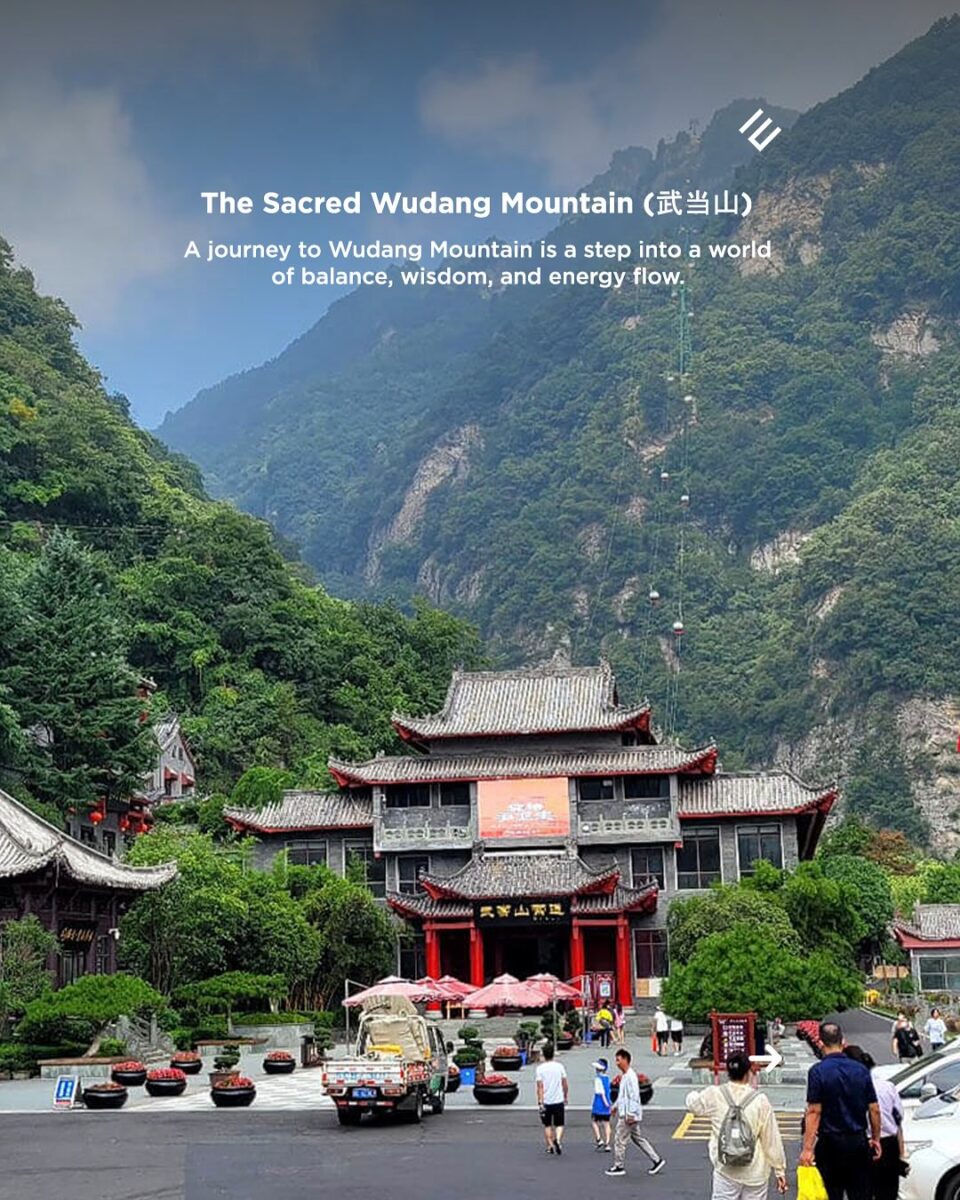
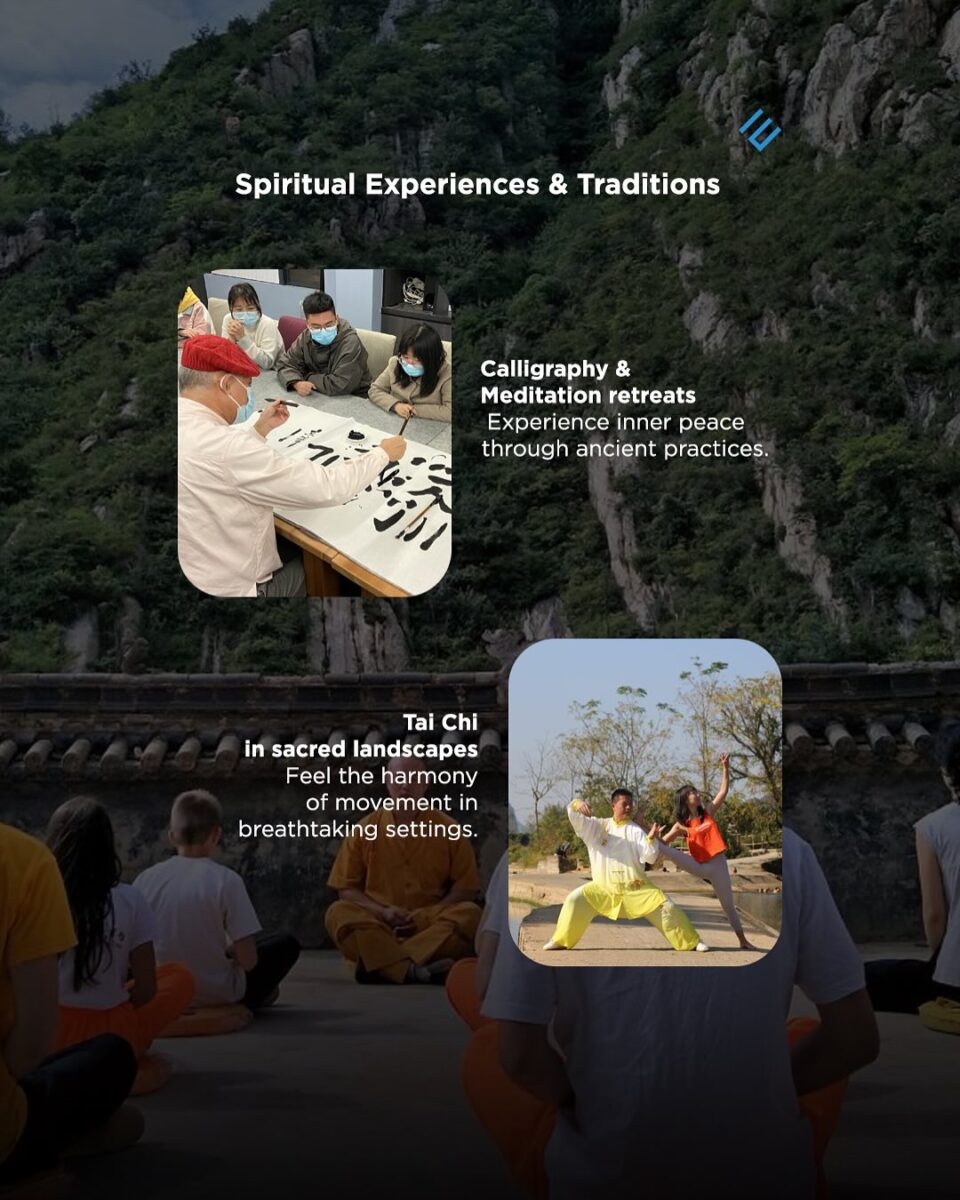
For those drawn to Taoist philosophy, the Wudang Mountains hold immense significance. Often associated with balance, flow, and harmony, Wudang is considered the spiritual home of Taoism and the birthplace of internal martial arts such as Tai Chi.
Temples cling to cliffs and ridges, seemingly suspended between earth and sky. The architecture reflects Taoist principles—simple yet powerful, integrated seamlessly into the landscape. Walking through Wudang feels calm and contemplative, encouraging travelers to slow down and move in rhythm with their surroundings.
Here, spirituality feels gentle rather than grand, inviting inward reflection rather than outward display.
Mount Wutai - A Center of Buddhist Pilgrimage
Another deeply significant destination is Mount Wutai, one of the Four Sacred Mountains of Chinese Buddhism. Known for its numerous monasteries and strong spiritual atmosphere, Mount Wutai has attracted pilgrims from across Asia for centuries.
The mountain’s cool climate, rolling plateaus, and temple-filled valleys create an environment ideal for contemplation. Monks chant softly, prayer flags flutter in the wind, and visitors move quietly through courtyards filled with incense.
Mount Wutai offers a sense of continuity—a reminder that spiritual traditions can endure across generations without losing their essence.
Temples as Living Spaces
What sets China’s sacred sites apart is that they are not frozen in time. Monks still pray, pilgrims still walk ancient paths, and rituals continue as they have for centuries. Visitors are not simply observers; they are guests in living spiritual communities.
This living aspect adds depth to the experience. You don’t just learn about beliefs—you witness them in action. The sound of chanting at dawn, the rhythm of temple bells, and the quiet discipline of daily routines all contribute to an atmosphere that feels authentic and deeply human.
A Different Kind of Travel
Traveling to China’s sacred sites is not about checking landmarks off a list. It is about slowing down. Days are shaped by walking, listening, and observing rather than rushing. Many travelers find themselves reflecting more deeply—on life, priorities, and inner balance.
These journeys often appeal to those seeking:
Spiritual or mindfulness retreats
Cultural immersion rooted in history and philosophy
Nature-based experiences with deeper meaning
A break from fast-paced, surface-level travel
In these places, silence is not empty. It is full.
Why Spiritual Travel in China Feels Profound
China’s sacred destinations offer something rare in modern travel: continuity. The same paths walked by pilgrims centuries ago are still walked today. The same teachings continue to guide daily life. The mountains remain, patient and enduring.
This continuity creates a powerful sense of connection—not just to a place, but to humanity’s long search for meaning. Travelers often leave with a quieter mind, a broader perspective, and memories that feel less like photographs and more like insights.
Is This the Journey for You?
If you are drawn to travel that nourishes the mind as much as the senses, China’s sacred sites may resonate deeply. These destinations do not demand belief. They invite curiosity, respect, and openness.
You may arrive seeking history, culture, or scenery—but many leave having found something less expected: stillness.
Would You Visit China’s Sacred Sites?
China’s temples and sacred mountains remind us that travel can be more than movement—it can be transformation.
✨ Would you visit China’s sacred sites for a spiritual retreat?
Tag a friend who would love this journey, and start imagining a trip where history, culture, and inner peace come together in one unforgettable experience.