Celebrate International Pistachio Day
February 11, 2026Visiting Dubai?
February 11, 2026Smart Ways to Travel Smoothly While Fasting
Ramadan is a month of reflection, discipline, gratitude, and spiritual renewal. For many, it is also a time that may involve travel—whether for family visits, business trips, or long-awaited holidays. Traveling during Ramadan can feel challenging at first, especially when balancing fasting, prayer, energy levels, and changing time zones.
Yet with thoughtful preparation, travel during Ramadan can be both meaningful and manageable. In fact, it can deepen the experience of patience, mindfulness, and intentional living that the month encourages.
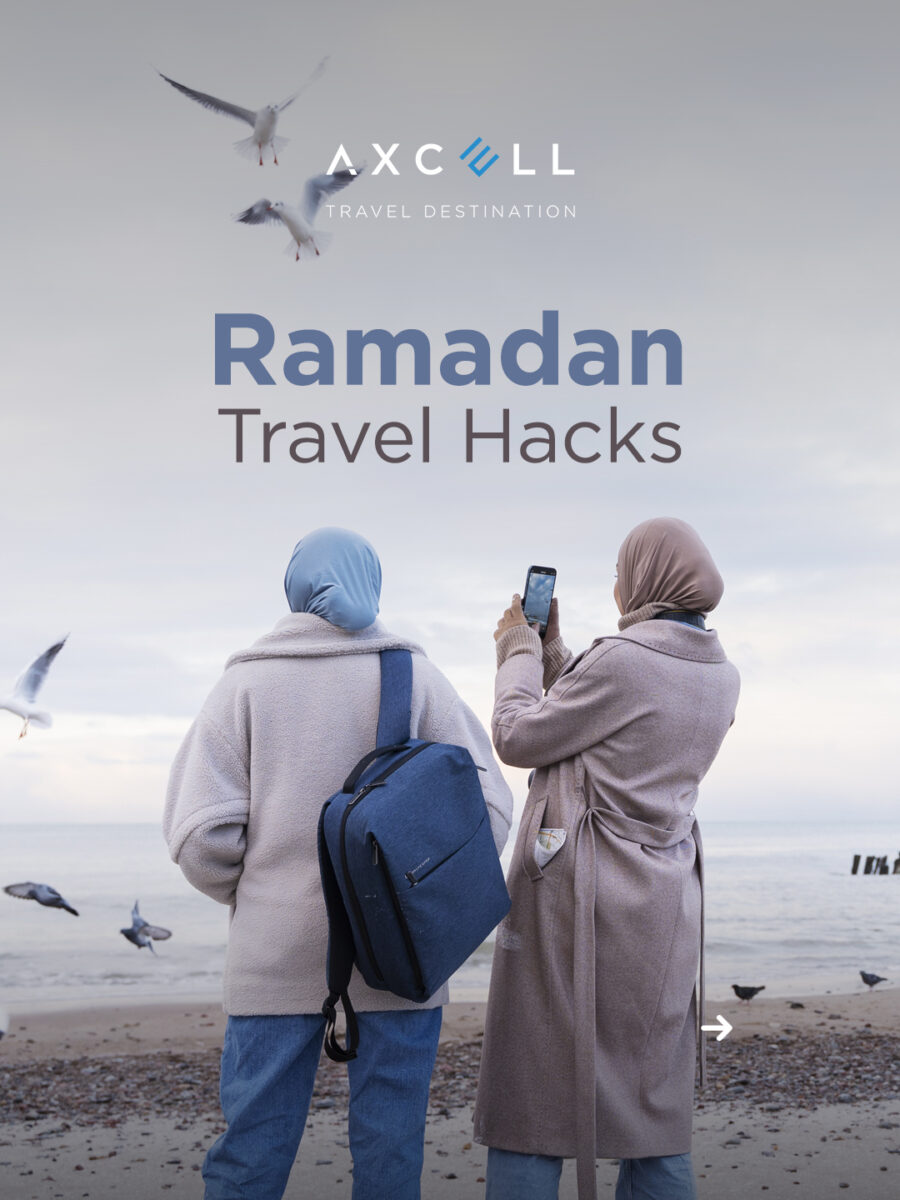
Here are practical Ramadan travel hacks to help you fast comfortably, stay energized, and maintain your spiritual rhythm—wherever your journey takes you.

Plan Flights Around Suhoor & Iftar - Choose Flight Schedules Strategically
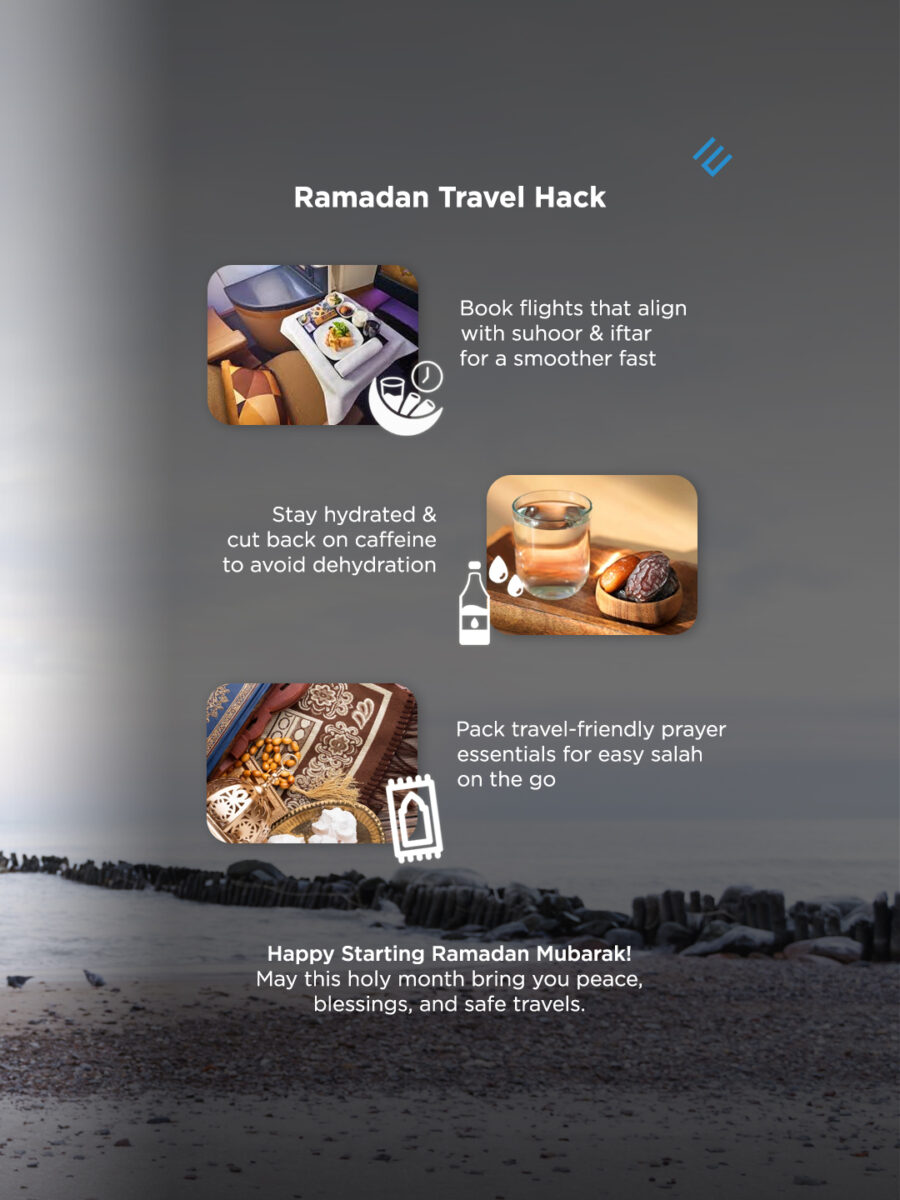
One of the most helpful travel decisions during Ramadan is selecting flights that align with suhoor (pre-dawn meal) or iftar (breaking of the fast).
If possible:
Book early morning flights that allow you to eat suhoor at home or at the airport before departure.
Choose evening flights where you can break your fast onboard.
This helps you avoid long stretches without access to food or water in unpredictable situations.
Consider Layovers Carefully
Long layovers can be draining while fasting. If you must transit, try to:
Schedule layovers near iftar time so you can eat comfortably at the airport.
Avoid extremely long daytime stopovers without access to rest areas.
Research airport facilities in advance to locate prayer rooms, halal food options, or quiet seating areas.
Adjusting Across Time Zones
When crossing time zones, fasting times change. Use reliable prayer and fasting apps to calculate accurate local suhoor and iftar times upon arrival.
If the journey is particularly long, remember that Islamic guidance provides flexibility for travelers. Depending on circumstances, travelers may be permitted to make up missed fasts later. Consulting trusted religious guidance can help you make informed decisions aligned with your comfort and faith.
Hydration Is Your Greatest Ally - Maximize Hydration Between Iftar and Suhoor
Dehydration is one of the most common challenges while traveling during Ramadan. Airplane cabins, hot climates, and busy schedules can intensify fatigue.
Between iftar and suhoor:
Drink water consistently rather than all at once.
Include hydrating foods like fruits, soups, and vegetables.
Avoid excessive salty or fried foods that increase thirst.
Spreading water intake throughout the non-fasting hours helps sustain you longer.
Reduce Caffeine Intake
While coffee and tea may feel comforting, caffeine can increase dehydration and disrupt sleep cycles—especially when travel already affects rest.
Gradually cutting back on caffeine before Ramadan, or limiting it during travel, can prevent headaches and energy crashes.
Be Mindful of Climate
If traveling to warmer destinations, pace your activities carefully. Schedule outdoor exploration in the early morning or late evening when temperatures are lower.
Conserving energy during peak heat hours helps you maintain strength for both travel and worship.
Pack Travel-Friendly Prayer Essentials | Create a Compact Prayer Kit
A small, lightweight prayer kit can make salah (prayer) much easier while traveling. Consider packing:
A foldable travel prayer mat
A compact Qur’an or digital Qur’an app
Tasbih (prayer beads)
A small scarf or modest cover if needed
Keeping these items easily accessible ensures you can pray comfortably during layovers, road trips, or hotel stays.
Locate Prayer Spaces in Advance
Many international airports provide multi-faith prayer rooms. Research your departure and transit airports ahead of time to locate designated quiet areas.
For road trips, rest stops, parks, or quiet corners can serve as temporary prayer spaces. The key is planning and flexibility.
Embrace Simplicity
Travel sometimes means adjusting routines. If access to perfect facilities isn’t possible, focus on intention and consistency. Spiritual discipline during Ramadan is about sincerity, not perfection.
Maintaining salah while traveling strengthens both faith and resilience.
Pace Yourself & Prioritize Rest
Energy management is essential
Avoid Overpacking Your Itinerary
Ramadan already shifts your physical rhythm. Combining that with an aggressive travel schedule can lead to exhaustion.
Plan lighter days. Allow time for rest before iftar. Choose meaningful experiences over packed itineraries.
Sleep Strategically
Late-night taraweeh prayers and early suhoor meals can disrupt sleep. During travel:
Take short naps when possible.
Adjust your schedule gradually to align with your destination.
Avoid overstimulation late at night to improve sleep quality.
Managing rest intentionally helps maintain focus and mood.
Listen to Your Body
Fatigue during fasting is natural. If you feel overwhelmed, slow down. Travel during Ramadan isn’t about maximizing sightseeing—it’s about balancing exploration with spiritual awareness.
Turning Travel Into Spiritual Reflection - A Journey Within a Journey
Travel naturally invites reflection. Airports, unfamiliar cities, and long transit hours create pauses in routine—perfect moments for gratitude and contemplation.
Ramadan amplifies this mindset. Time spent waiting can become time for dhikr (remembrance), reflection, or quiet prayer.
Practicing Patience
Travel rarely unfolds perfectly. Delays, crowds, and unexpected changes test patience—an essential virtue during Ramadan.
Approaching challenges with calm and gratitude transforms inconvenience into spiritual growth.
Sharing Ramadan Across Cultures
Traveling during Ramadan also offers opportunities to experience how different communities observe the holy month. From iftar gatherings in new cities to hearing the call to prayer in unfamiliar surroundings, these moments create lasting memories.
Ramadan becomes not just a personal practice, but a global connection.
Safe Travels and Blessed Beginnings
Ramadan is a month of intention. Traveling during this sacred time requires thoughtful planning—but it can also deepen your appreciation for discipline, gratitude, and balance.
By aligning flights with suhoor and iftar, staying hydrated, reducing caffeine, packing essential prayer items, and pacing your schedule wisely, you can create a smoother and more meaningful travel experience.
Whether you’re crossing cities or continents, may your journey be safe, your fast be fulfilling, and your heart be at peace.
Happy starting Ramadan Mubarak. May this holy month bring you tranquility, blessings, and safe travels wherever you go