Best Destinations to Visit Worldwide in September
February 5, 2026
Where the World Welcomes 2025
February 10, 2026Cultural Experiences You Can’t Miss
Travel becomes truly meaningful when it goes beyond famous landmarks and crowded routes. The most unforgettable journeys are often found in places where culture is lived daily—where traditions are not staged for visitors, but woven naturally into everyday life. From historic cities balancing old and new, to ancient towns preserving centuries-old customs, and remote islands where ancestral traditions still shape identity, these destinations invite travelers to experience culture in its most authentic form.
Below are three destinations that take you beyond the tourist trail, offering cultural encounters that stay with you long after the journey ends.
Tbilisi - A City Shaped by Layers of Culture
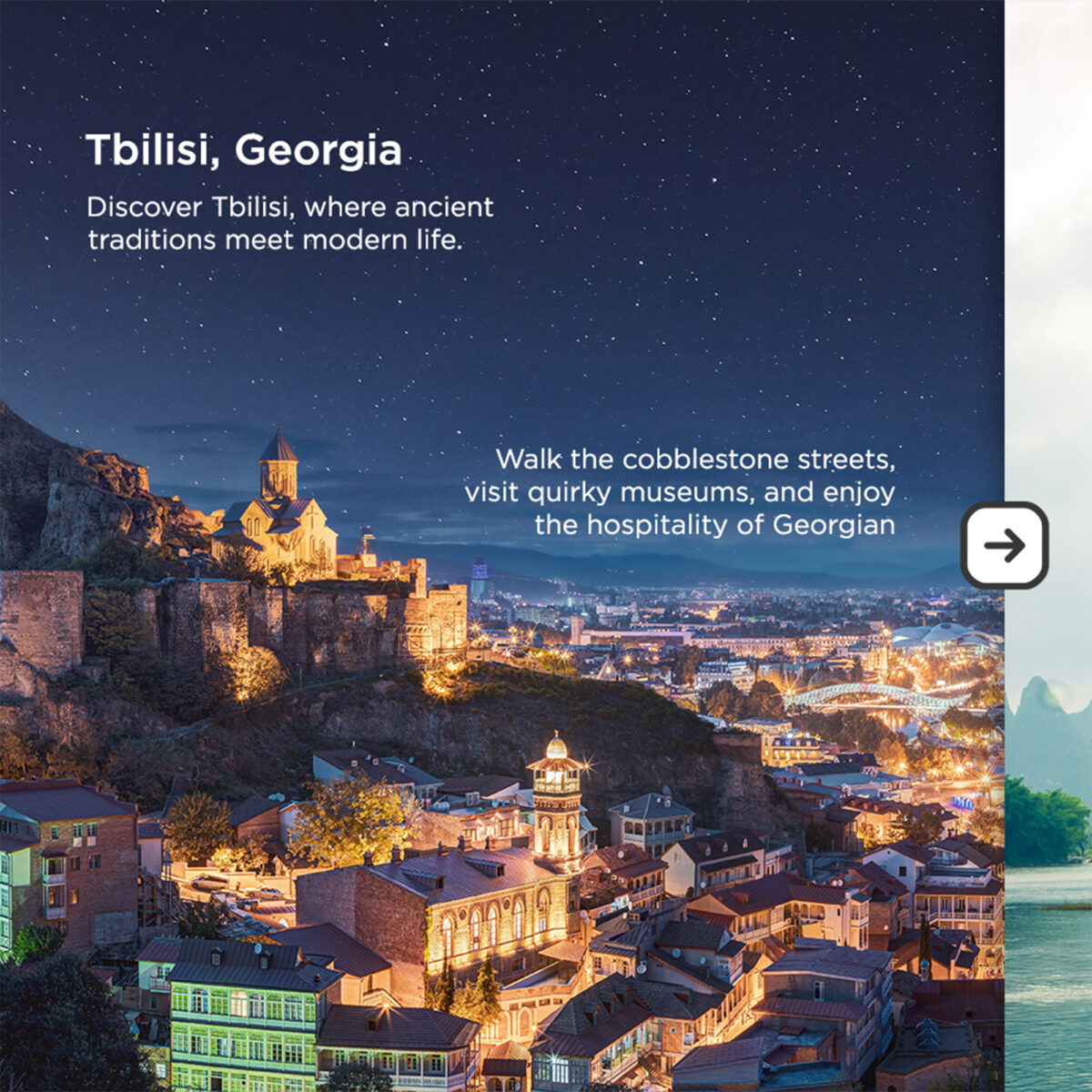
Set at the crossroads of Europe and Asia, Tbilisi is a city where history is not confined to museums—it lives openly in streets, homes, and traditions. For centuries, Tbilisi has absorbed influences from Persia, the Ottoman Empire, Russia, and Europe, creating a cultural identity that feels complex, warm, and deeply human.
Rather than hiding its contrasts, Tbilisi embraces them. Ancient churches stand beside Soviet-era buildings, while contemporary cafés and galleries flourish within centuries-old neighborhoods. The city feels raw, honest, and refreshingly unpolished—inviting travelers to engage rather than observe from a distance.
Walking Through Living History
Exploring Tbilisi on foot is the best way to understand its soul. Cobblestone streets wind through the Old Town, revealing wooden balconies carved with intricate patterns, pastel façades worn beautifully by time, and courtyards where daily life unfolds quietly.
Historic districts like Abanotubani, famous for its sulfur baths, reflect the city’s origins as a place of rest and renewal. Locals have gathered here for centuries—not just to bathe, but to talk, relax, and connect. Visiting these bathhouses isn’t a tourist ritual; it’s participation in a tradition that remains central to Georgian life.
Every step through Tbilisi feels layered, as if the past and present are walking alongside you.
Museums That Break the Mold
Tbilisi’s museums are as unconventional as the city itself. Instead of grand, formal institutions, many are intimate, personal, and reflective of Georgia’s complex identity. Small galleries highlight folk art, contemporary expression, and historical narratives that don’t shy away from hardship or resilience.
These spaces often feel like conversations rather than exhibitions. You leave not with facts memorized, but with perspectives expanded—understanding how Georgia’s history of invasion, survival, and independence shaped its cultural strength.

Georgian Hospitality - Culture at the Table
Perhaps the most powerful cultural experience in Tbilisi happens around the table. Georgian hospitality is legendary, rooted in the tradition of the supra—a communal feast guided by a toastmaster (tamada). Meals are long, expressive, and deeply symbolic, celebrating friendship, ancestry, and life itself.
Guests are treated not as outsiders, but as family. Toasts are thoughtful, emotional, and often poetic. Food becomes storytelling, and storytelling becomes connection. This openness transforms travel into relationship.
In Tbilisi, culture isn’t performed—it’s shared.
Why Tbilisi Goes Beyond the Tourist Trail
Tbilisi doesn’t try to impress—it invites curiosity. Its imperfections, contradictions, and warmth make it deeply real. Travelers leave not just having seen a city, but having felt one.
Lijiang - Stepping into Another Era
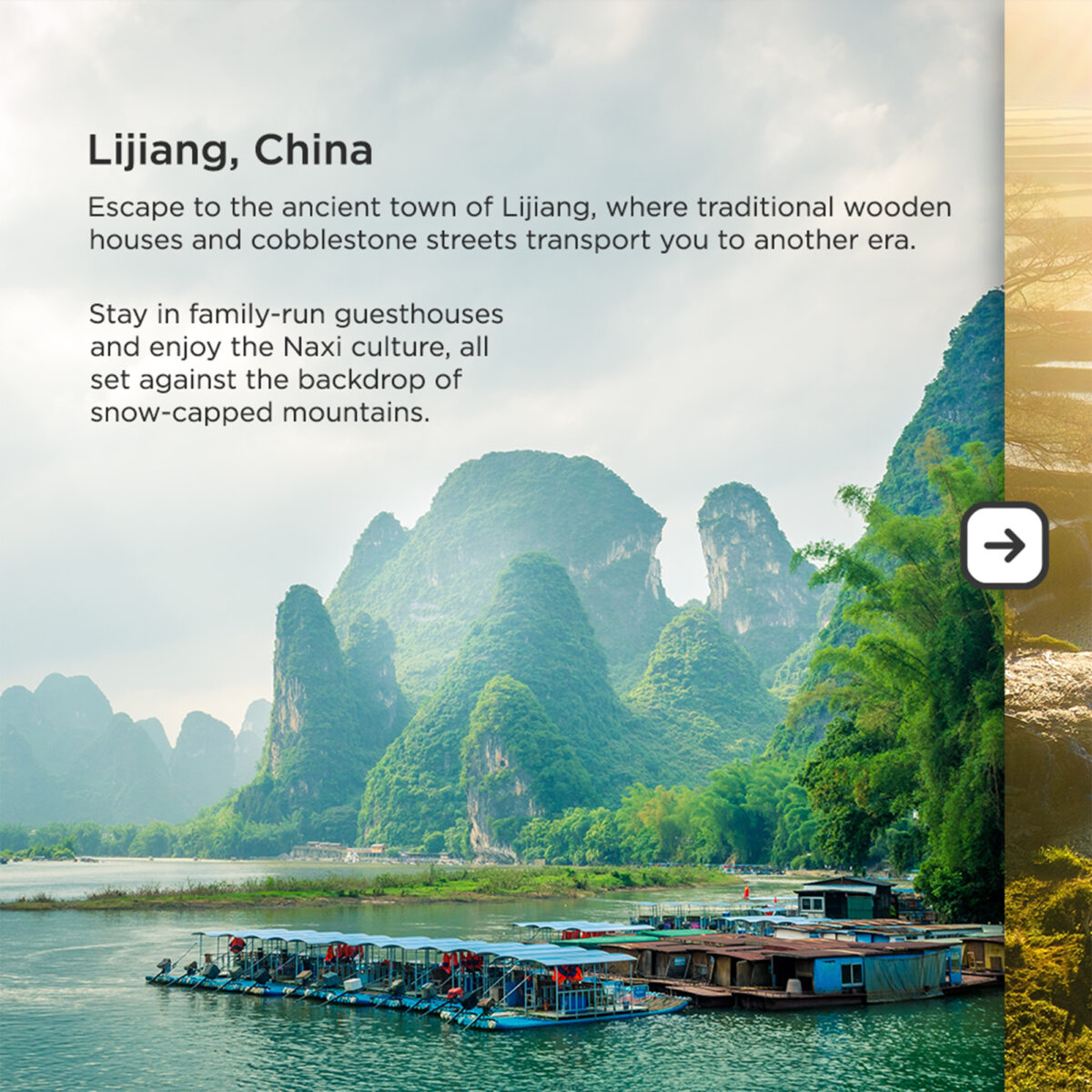
Nestled in the foothills of the Himalayas, Lijiang is a place where time seems to slow. Its old town, a UNESCO World Heritage Site, is a maze of narrow lanes, flowing canals, and traditional wooden houses that have stood for generations.
But Lijiang’s magic goes far beyond its beauty. What truly sets it apart is how deeply culture remains embedded in everyday life—particularly that of the Naxi people, an ethnic group with a distinct language, religion, and artistic tradition.
Living Among the Naxi Culture
Unlike destinations where culture is displayed for visitors, Lijiang allows travelers to live within it. Staying in family-run guesthouses offers insight into daily routines shaped by centuries of tradition. Hosts prepare meals, tend courtyards, and share stories that reflect a worldview centered on balance between humans and nature.
The Naxi people are known for their Dongba culture—a spiritual system expressed through rituals, art, and one of the world’s last pictographic writing systems. This cultural depth is not hidden behind glass; it exists in music performances, ceremonies, and everyday interactions.
Architecture with a Soul
Lijiang’s wooden houses are not decorative—they are functional, sustainable, and symbolic. Built to withstand earthquakes and adapt to mountain climates, they reflect architectural wisdom passed down through generations.
Cobblestone streets guide water naturally through the town, ensuring harmony between infrastructure and environment. This thoughtful design makes Lijiang feel alive rather than preserved—a town still serving its people, not just its visitors.
Mountains That Shape Identity
Rising dramatically in the background is Jade Dragon Snow Mountain, a sacred presence that influences Naxi spirituality and daily life. Snow-capped peaks serve as a constant reminder of nature’s power and beauty.
The relationship between town and mountain reinforces a cultural philosophy centered on respect, balance, and coexistence. In Lijiang, landscape is not scenery—it is identity.
Why Lijiang Feels Authentic
Despite its fame, Lijiang retains intimacy when approached thoughtfully. Early mornings and evenings reveal quiet rhythms, when locals reclaim streets and canals glow softly under lantern light. This is when the town feels most genuine.
Lijiang offers travelers not spectacle, but immersion—an invitation to step into a culture that remains deeply rooted and gracefully lived.
Sumba - A Living Dialogue with the Ancestors
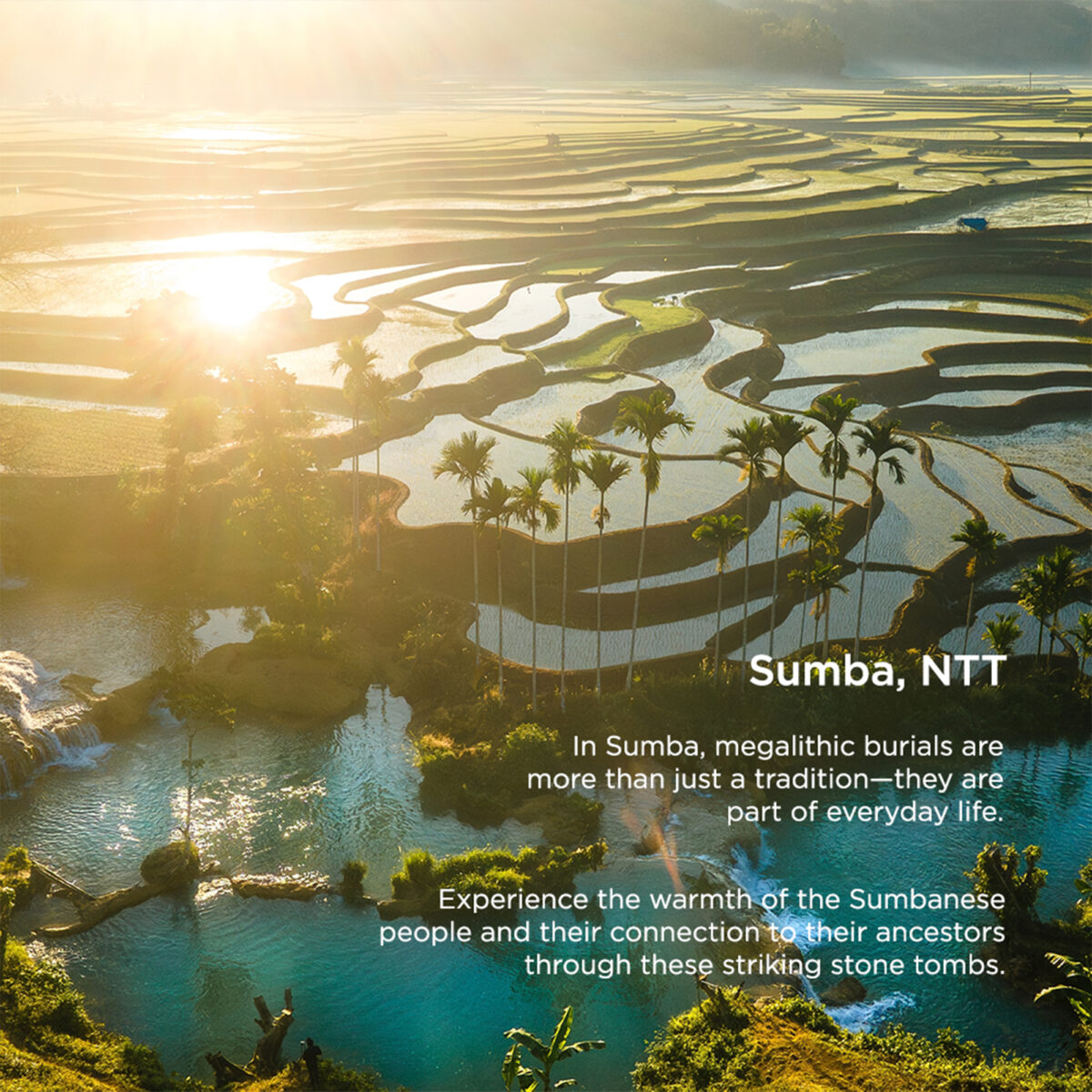
On the eastern edge of Indonesia lies Sumba, an island where tradition is not something remembered—it is something lived. Here, towering megalithic tombs dominate village landscapes, standing as physical expressions of ancestral reverence and social identity.
In Sumba, the past is not distant. It walks beside the present.
Megalithic Burials as Everyday Life
Unlike archaeological sites elsewhere, Sumba’s stone tombs are part of daily surroundings. They are built in village centers, beside homes, and within sight of everyday activities. These structures represent lineage, honor, and the enduring bond between the living and the dead.
Funeral rituals are among the most important cultural events, often planned years in advance and involving entire communities. These ceremonies are not spectacles—they are sacred transitions rooted in belief, respect, and continuity.
Witnessing these traditions offers rare insight into how culture shapes identity beyond modern timelines.
Warmth Beyond Infrastructure
Sumba may feel remote, but its people are profoundly welcoming. Visitors are greeted with openness and curiosity, often invited into homes and ceremonies. Conversations may happen through gestures, smiles, and shared moments—but the connection feels genuine.
Life here moves slowly. Time is measured not by schedules, but by seasons, rituals, and community needs. For travelers, this shift in pace can be deeply grounding.
Tradition in Motion
Cultural expressions in Sumba are dynamic. Events like the Pasola ritual—where mounted warriors engage in ceremonial combat—reflect values of courage, balance, and spiritual harmony. Music, weaving, and architecture all carry symbolic meaning tied to ancestry and environment.
Every tradition reinforces a worldview where humans, land, and ancestors are inseparable.
Why Sumba Transforms Travelers
Sumba challenges modern assumptions about progress, success, and time. It invites travelers to reconsider what it means to live with purpose and connection.
This is not an easy destination—but it is a profound one.
These destinations—Tbilisi, Lijiang, and Sumba—offer something increasingly rare in modern travel: authentic cultural immersion. They don’t exist to entertain. They exist to be understood.
Traveling beyond the tourist trail means accepting discomfort, slowing down, and listening. The reward is deeper than photographs—it is perspective.
If you’re seeking journeys that change how you see the world, these are cultural experiences you truly can’t miss.